

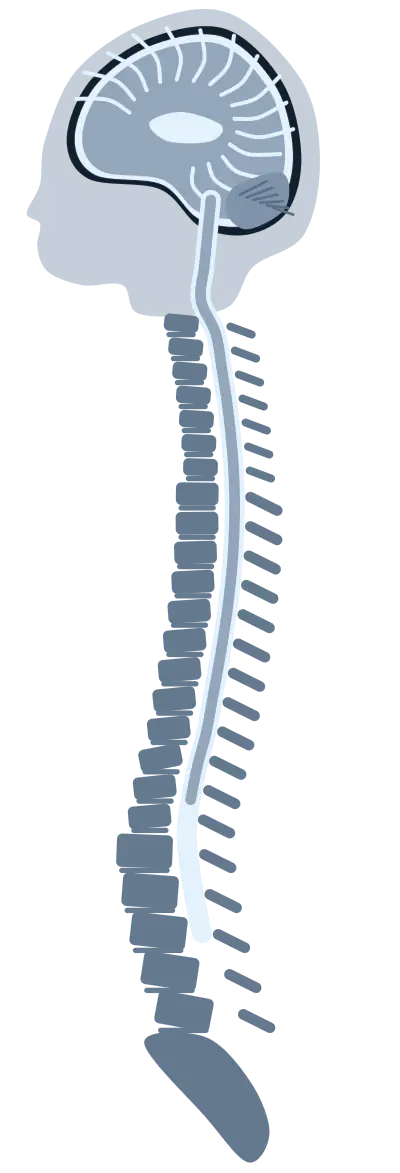
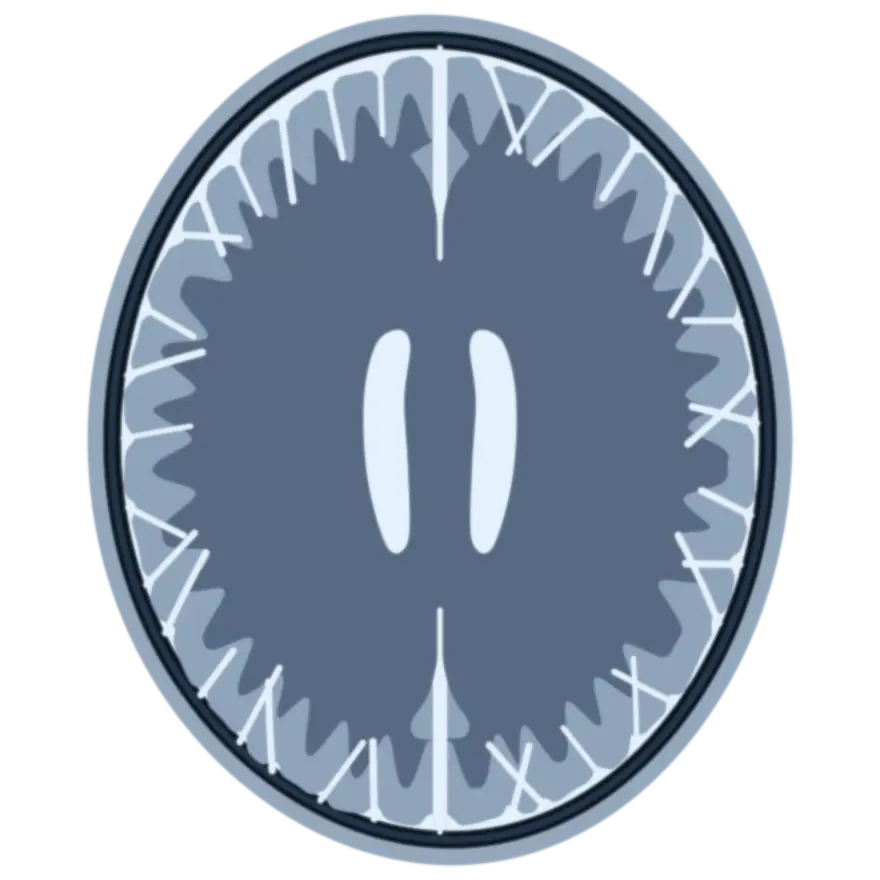
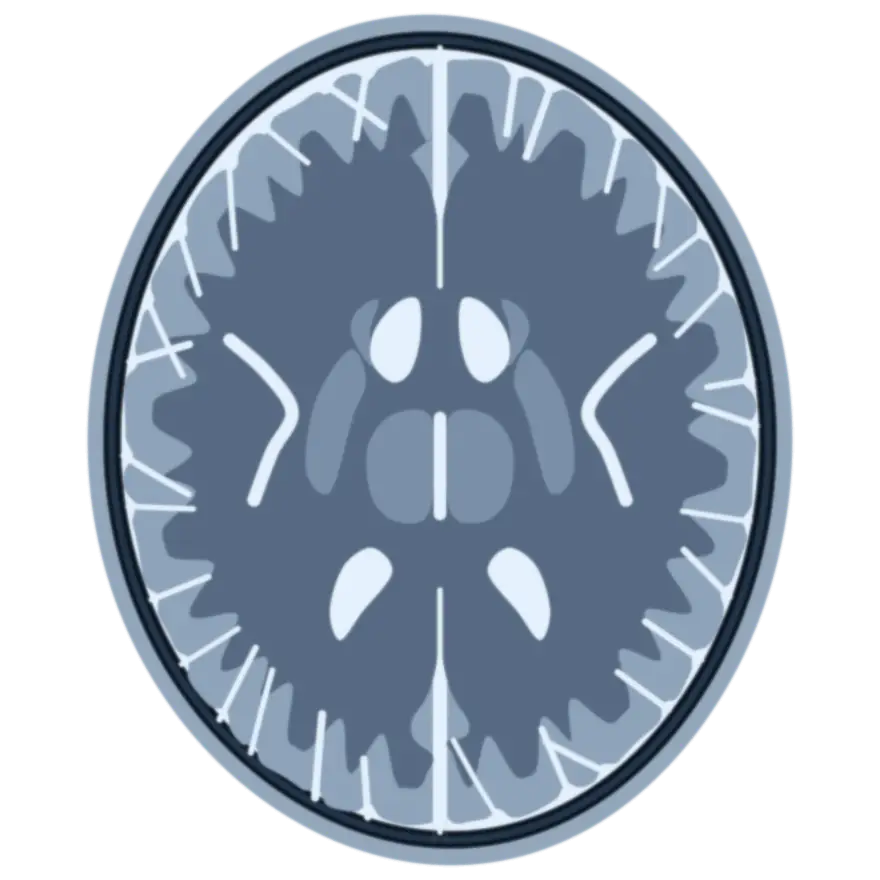
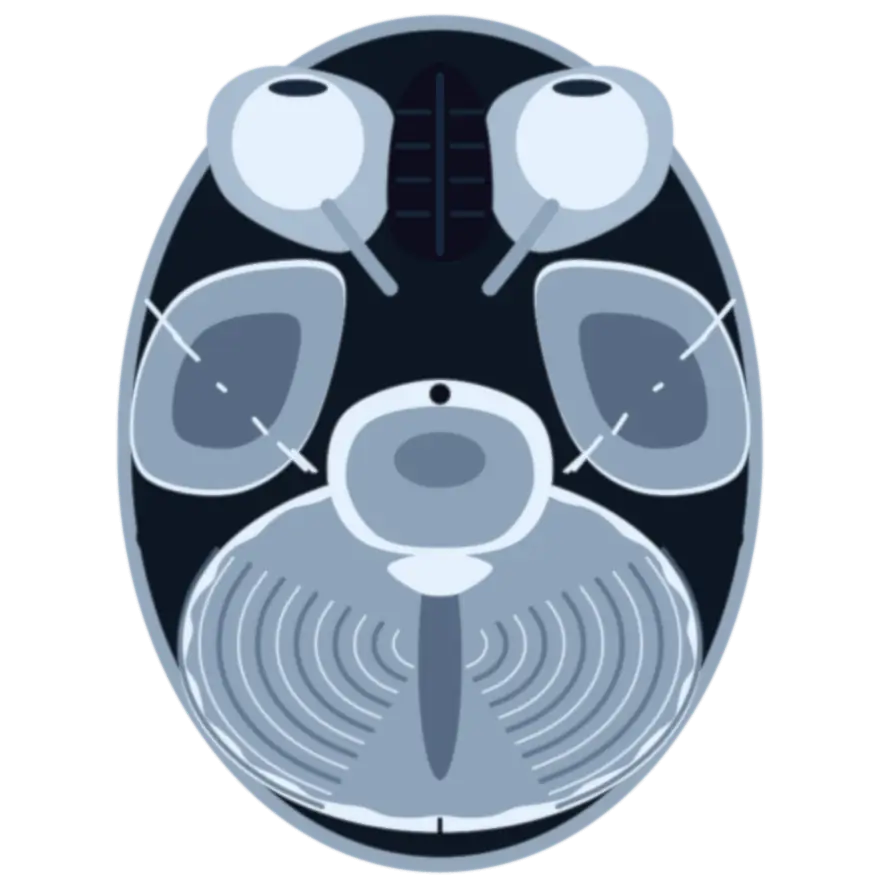


Slice by slice.A close look.A calm decision. — Dr. Morteza Khalilzadeh
Brain and Spine Surgeon Tabriz
Most patients in this field arrive with an MRI report and a few questions. Here you can read what each finding means, when surgery is needed and when it is not.
An MRI report is not the end of the story.
Dr. Morteza Khalilzadeh is a brain and spine surgeon in Tabriz. The field covers diseases of the brain, the spinal cord and the spinal nerves, from disc problems in the back and neck and spinal stenosis to brain tumours and hydrocephalus. Most disc pain never reaches an operation, but patients arrive holding a report full of frightening words. This site is for those days, so you know what each finding means and what to ask your doctor.
More about the doctorWhat is your question right now?
Tap your question to reach the answer. This list does not replace talking to your doctor.
- A disc showed on my MRI. Do I need surgery?
- Will spine surgery paralyse me?
- Pain runs from my back to my leg
- My legs give trouble when I walk
- Is my numb hand from the neck or the wrist?
- Is my headache a tumour?
- My father walks differently now
- What do I bring to the first visit?
- What do I do on MRI day?
- What do I do at home after surgery?
Numbness in the groin or around the anus, being unable to pass urine, losing control of urine or stools, worsening weakness in the legs, one side of the face drooping, sudden trouble speaking, or a seizure cannot wait for an appointment. Call 115 (Iran's emergency number) or go to an emergency department. The full list of warning signs
Five problems people ask about most.
These pages explain what each condition is, its signs, the options ahead and when surgery comes up. Which option is right for you becomes clear after an examination and a look at your images.
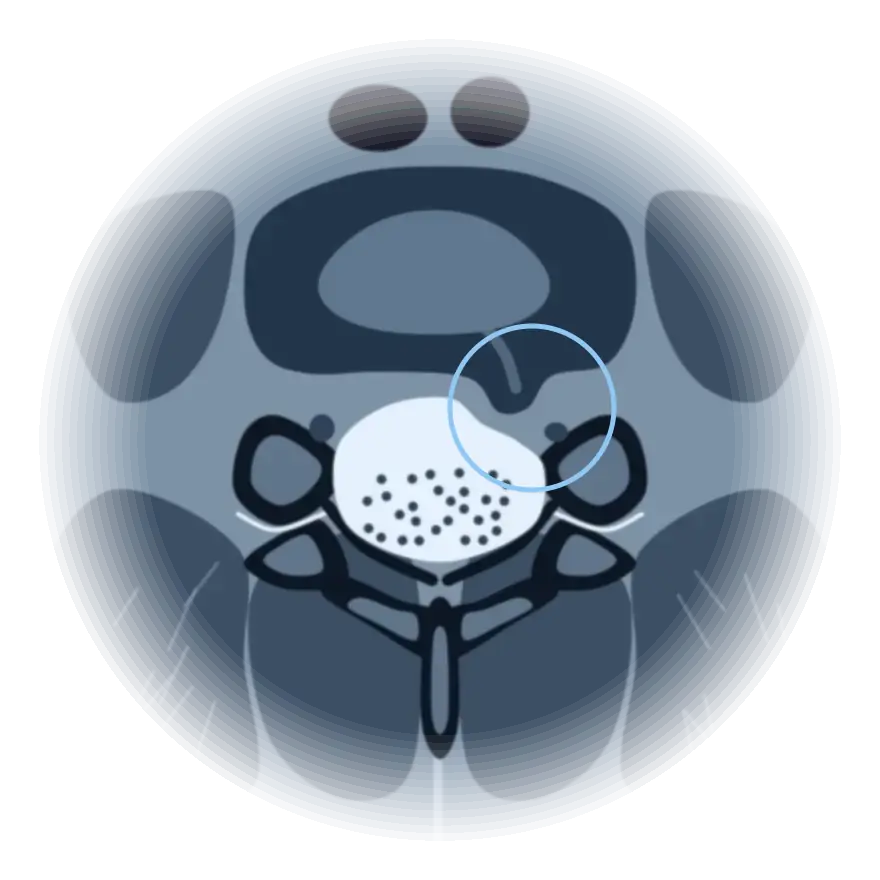
Low back disc and sciatica
A slipped disc is the most common cause of sciatica. Most of this pain improves without surgery. Here you can read when waiting is right and when it is not.
Read moreNeck disc and arthritis
When neck pain runs into the arm, or the hands and walking change. The difference between pressure on a nerve root and pressure on the spinal cord.
Read moreSpinal stenosis
The legs give trouble on walking and ease on sitting or leaning forward. This condition mostly comes with age.
Read moreBrain tumours
What the type and grade of a tumour mean, and what surgery does. For families who have just heard the news.
Read moreHydrocephalus
Fluid building up in the ventricles of the brain. One form in older people is mistaken for dementia, and it can improve with treatment.
Read more
From the first examination to follow-up
Not every patient reaches surgery. Each stage has a clear job, and you know what is coming before it starts.
- Step 1 of 5.
Your story and a nerve examination
We ask about your pain and numbness: when it began, how far it travels, and what makes it worse. Then we test muscle strength, feeling and reflexes. Most decisions start from this examination.
- Step 2 of 5.
Reading the images beside your symptoms
We go through the MRI or CT slice by slice, not only the report. Not every finding is a disease, and many spine findings appear in people with no symptoms. What matters is whether the image matches your symptoms. Sometimes a nerve conduction study is needed too.
- Step 3 of 5.
Talking through the options
Most disc pain improves without surgery, but worsening weakness or a tumour is a different matter. We go through the options, the benefit and risk of each, and what happens if you wait. You have time to ask questions before you decide.
- Step 4 of 5.
Surgery, if needed
If the decision is surgery, you know beforehand what will be done, why, and what the risks are. The care team tells you about tests, medicines to stop and when to fast.
- Step 5 of 5.
Follow-up and rehabilitation
The first days at home, wound care, the return to work and physiotherapy are all part of treatment. Learn the warning signs and keep your follow-up visits. The support network can help with dressing changes and stitch removal at home.
With you at every stage of diagnosis, treatment and follow-up.
The patient support form has six sections: laboratory, imaging, pharmacy, referral to doctors, rehabilitation and wellbeing, and services at home.
Medical diagnostic laboratory
Quick appointments and quick results. You write the name of the pathology centre on the form.
Medical imaging and ultrasound
CT scan, MRI, ultrasound, PET scan, bone scan, radiography and densitometry.
Pharmacy and specialty medicines
For specialty medicines, you write the name of the pharmacy on the form.
Referral to specialists and sub-specialists
You write the name of the doctor or the specialty you want on the form.
Rehabilitation and wellbeing
Quick appointments and referral to rehabilitation and wellbeing specialists, arranged by the support team.
Treatment and rehabilitation at home
Doctor visits, clinical nursing, physiotherapy and rehabilitation at home.
Wherever the form says "free", that service is free.
Simple answers to the first questions.
Does a low back disc always need surgery?
No. Most discs never reach an operation. According to the American Association of Neurological Surgeons, sciatica symptoms improve with time in about 9 out of 10 people. Surgery comes up when other treatments have not helped, or when weakness or numbness gets worse.
After my MRI result, should I stay in bed?
No. Long bed rest is not recommended. If the pain is severe you may do less for a day or two, but it is better to start walking and moving gently as soon as you can. Moving with pain does not necessarily cause harm.
Can spine surgery cause paralysis?
Every spine operation carries a risk of nerve injury, and you should be told about it before surgery. The size of the risk depends on the operation and the condition. Ask your surgeon directly about your own case.
Do I definitely need an MRI?
Not always. For new back pain and sciatica, an MRI is usually not needed in the first weeks unless there is a warning sign. It becomes necessary if symptoms continue or surgery is being considered.
What should I bring to the first visit?
The images themselves (CD or film), not only the report. Bring earlier results, your medicine list and details of past operations too. If you take a blood thinner, be sure to say so.
Is a numb hand always from the neck?
No. Pressure on a nerve at the wrist (carpal tunnel syndrome) also numbs the hand, and it is usually worse at night. A nerve conduction study sometimes shows where the pressure is.
When can I go back to work after disc surgery?
It depends on the operation and your job. Recovery from removing a disc is usually quicker. After a fusion it takes about 4 to 6 weeks for a young, healthy person in light work, and up to 4 to 6 months for an older person with more extensive surgery.
Does every headache need checking?
Most headaches are not serious and go away on their own. A headache that differs from your usual ones or keeps getting worse should be checked. A sudden, extremely painful headache, or one with a seizure, weakness, confusion or trouble speaking, is an emergency.
When should I go to the emergency department?
With back pain or sciatica: numbness in the groin or around the anus, being unable to pass urine, losing control of urine or stools, or worsening leg weakness. Brain signs: a drooping face, a weak arm, trouble speaking or a seizure. The full list is in the patient guide.
Where is the office, and where does the doctor operate?
The address and surgical centre will be announced once the doctor confirms them.
Which operations do you perform?
The list of operations and methods will be announced once the doctor confirms it.
Do you work with insurance?
The list of insurers will be announced soon.
These answers are general and do not replace your doctor's advice for your situation.
Bring your images. We read them together.
Go to the booking page or talk to support. Bring the CD or film of your MRI and CT with you.
Support number